Defeat The Silent Killer
Learn how to accurately measure your blood pressure at home, protect vital organs like your kidneys, brain and heart, and dramatically reduce your health risks with simple, proven strategies.
100% Free · No credit card required
Global Impact
Why Hypertension Is A
Ticking Clock
UNDERSTANDING THE MECHANICS
Blood pressure measures the force of blood pushing against your artery walls. It is recorded as two distinct numbers: systolic (the pressure when your heart beats) over diastolic (the pressure when your heart rests between beats).
High blood pressure usually has zero symptoms. It silently and progressively damages your internal systems over years, long before a medical crisis forces you to pay attention.
Arterial walls lose elasticity and narrow over time.
The heart enlarges from constant overwork.
Kidney micro-vessels lose vital filtration capacity.
Brain circulation is slowly compromised.
2
NUMBERS TO KNOW
0
EARLY SYMPTOMS
1
SILENT KILLER
HOME MEASUREMENT GUIDE
Your Numbers, Decoded
A single reading in a clinic doesn’t tell the whole story. Learn how to measure your true average correctly and what your results actually mean for your cardiovascular health.
How to Measure Correctly
01
Rest 5 Minutes
Sit quietly with your back supported and feet flat on the floor. Do not cross your legs.
02
Position Arm
Use a validated upper-arm monitor. Rest your arm on a flat surface precisely at heart level.
03
Clear Your System
Avoid talking during the measurement. No food, caffeine, or tobacco for 30 minutes prior.
04
Double Check
Take two readings one minute apart. Your true number is the average over multiple days.
Measure Blood Pressure Right (Detailed)
Because a silent number still causes real damage.
High blood pressure quietly damages the delicate blood vessels in your Heart & Kidneys over time. Taking accurate home measurements is the single most important step you can take to track your risk and protect your long-term heart & kidney health.
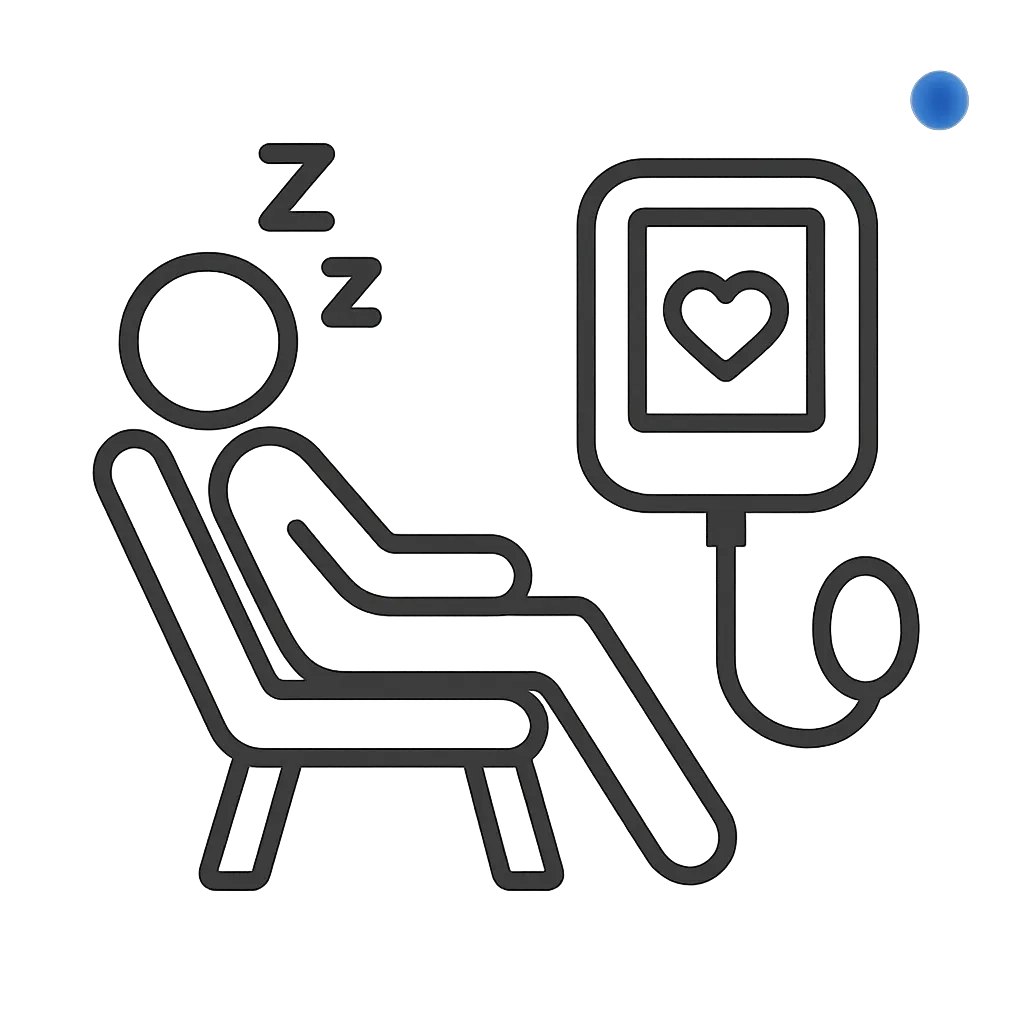
STEP 1
Rest & Prepare
Empty your bladder and sit quietly for 5 minutes. Avoid caffeine, exercise, or smoking for 30 minutes prior to measuring.
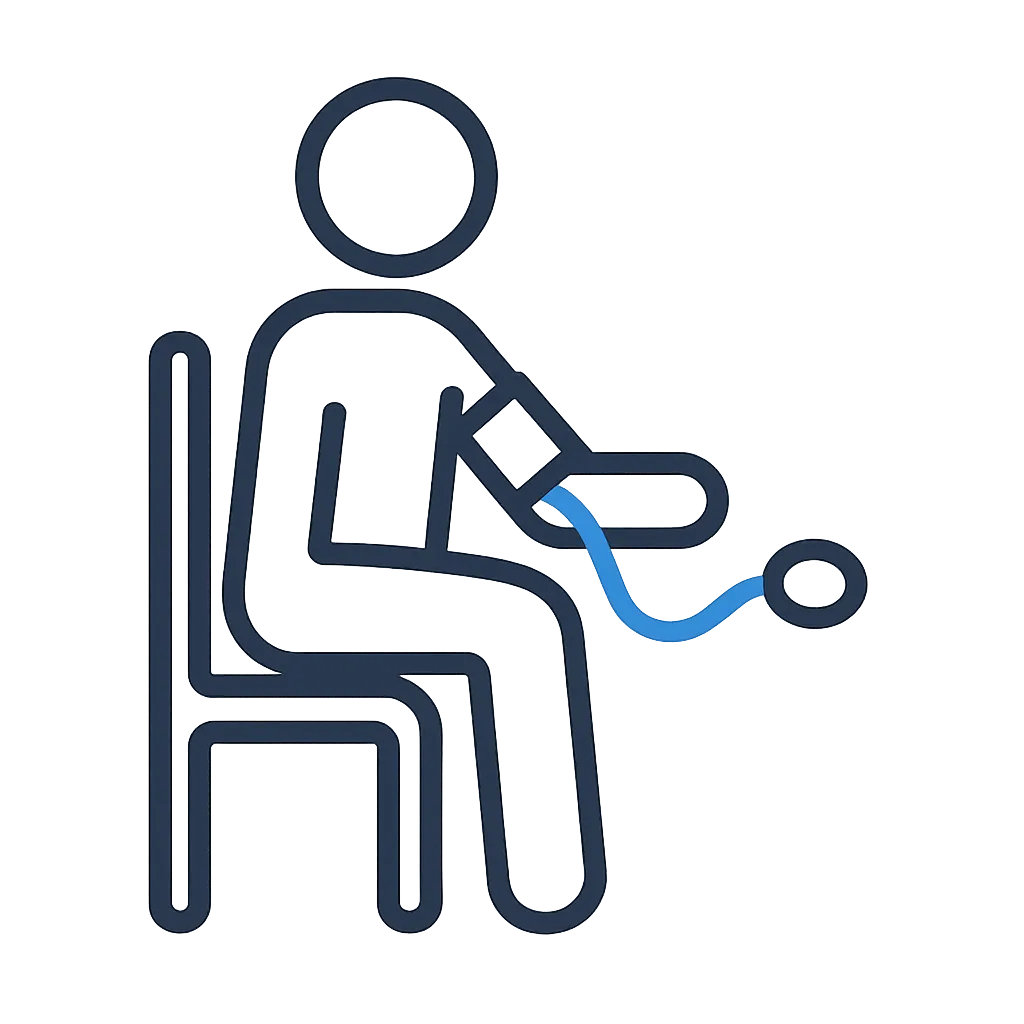
STEP 2
Perfect Your Posture
Sit in a firm chair with your back supported. Keep your feet flat on the floor - do not cross your legs or ankles.
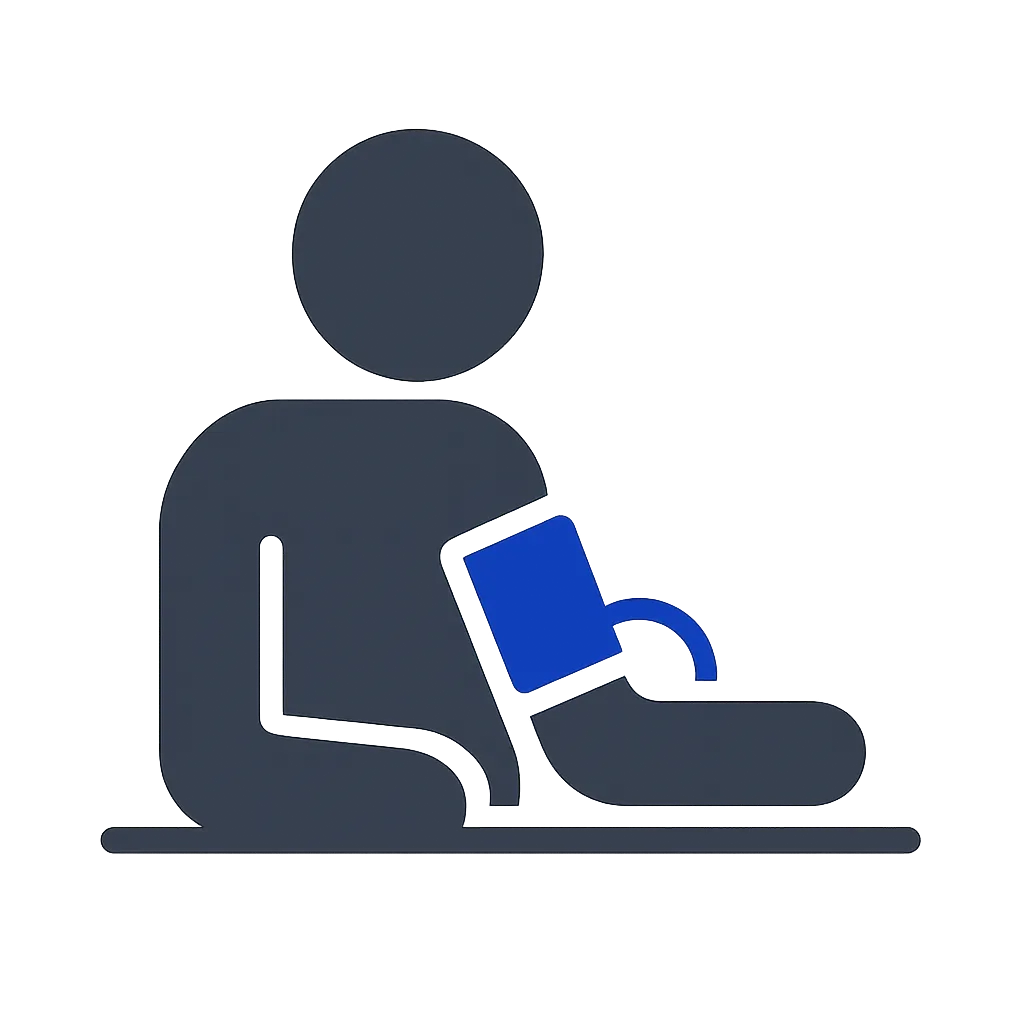
STEP 3
Correct Cuff Placement
Place the cuff directly on your bare upper arm. Rest your arm flat on a table so the cuff sits completely level with your heart.
STEP 4
Take Two Readings
Take your first measurement, wait exactly 1 minute, and take a second. If they vary significantly, take a third to be sure.
STEP 5
Log The Results
Record both numbers immediately. Consistent, long-term tracking gives your doctor the best picture of your kidney risk.
STEP 6
Take Your Results to the next Health Visit
Take your log to appointments. Ask your clinician directly: "Is my current target range safe for preserving my kidney function?"
Start Tracking Today
Get the tools you need to record accurate home readings and prepare for your next appointment.
LIFESTYLE STRATEGIES
Protect Your Vitality
The Kidney Connection
High blood pressure is the second leading cause of kidney disease. It systematically damages the microscopic filtering vessels, reducing function over time. Protecting your blood pressure directly safeguards your kidneys.
DASH Diet Protocol
The Dietary Approaches to Stop Hypertension (DASH) — rich in fruits, vegetables, and whole grains, while limiting sodium below 2,300mg — is proven to lower systolic pressure by 8–14 mmHg.
Movement & Stress
Daily aerobic exercise trains your heart to pump with less effort. Combined with managing stress and limiting alcohol intake, these lifestyle modifications create meaningful, lasting pressure reduction.
CLARITY & GUIDANCE
Expert Answers
Can I have high blood pressure with no symptoms?
Yes. High blood pressure is called the 'silent killer' precisely because most people feel nothing. The only way to know your blood pressure is to measure it.
Does one high reading mean I have hypertension?
No. A single elevated reading is not a diagnosis. Blood pressure varies throughout the day based on activity, stress, and other factors. A diagnosis of hypertension is based on consistently elevated readings over multiple measurements.
If I start medication, do I have to take it forever?
Not necessarily. Some people are able to reduce or stop medication after making significant lifestyle changes. However, never stop blood pressure medication without discussing it with your doctor first.
What is the difference between systolic and diastolic?
Systolic (the top number) measures pressure when your heart beats. Diastolic (the bottom number) measures pressure when your heart rests between beats. Both numbers matter, but elevated systolic pressure is the stronger predictor of cardiovascular risk in adults over 50.
Hypertensive Crisis
If your blood pressure reads 180/120 or higher, rest for 5 minutes and recheck. If it remains that high, especially with symptoms like severe headache, chest pain, shortness of breath, or vision changes, seek emergency care immediately.
This is a hypertensive crisis and requires immediate medical attention.
GLOBAL WEBINAR SESSION
Take Control Today
Don't wait for symptoms to appear. Join our free masterclass to understand your numbers and build a lifestyle strategy that works best for you.
Secure your spot • 100% Free • Space is limited
Initiative by:
Dr. Daniel L. Beckles, MD, PhD
Cardiac and Thoracic Surgeon
DKB Advantage, LLC
Medical Disclaimer: The ABCs Challenge, including information about A1C, Blood Pressure, Cholesterol, and Screenings, is for general educational and informational purposes only. It is not medical advice, does not provide diagnosis or treatment, and does not replace care from a licensed physician or qualified healthcare professional. Participation or use of this website does not create a clinician-patient relationship.
If you have symptoms, feel unwell, or have abnormal or concerning health numbers, seek medical attention immediately. Do not wait or delay care. For emergencies, call 911 or your local emergency number, go to the nearest emergency department, seek urgent care, or contact your physician’s office right away. Do not start, stop, or change medications or treatment based on this information without consulting your healthcare professional.
The ABCs Challenge, its organizers, sponsors, partners, affiliates, volunteers, and contributors are not responsible, to the fullest extent permitted by law, for any harm, injury, delay in care, neglect of care, missed diagnosis, adverse outcome, or damages arising from use of this information or failure to seek appropriate medical attention..
Data Sources: WHO (2023), PAHO/WHO (2022), CARPHA (2023), World Obesity Federation (2023), IARC (2016).
© 2026 Know Your ABCs Challenge. PRIVACY POLICY